

Review: Can’t Hurt Me: Master Your Mind and Defy the Odds
Note: This review contains slight spoilers.
“Can’t hurt me.” Three words. A declaration. A challenge. A philosophy. For David Goggins, these words represent more than a title; they represent the armour he forged in the fire of misery, abuse, poverty, and failure. His book Can’t Hurt Me: Master Your Mind and Defy the Odds is not just a memoir but a blueprint for human resilience, and for many, it could be the very lifeline that drags them out of despair.
Goggins’ life began in chaos. He grew up beaten, bullied, and broken. He faced many challenges: racism, learning disabilities, a rare medical diagnosis, and a household filled with abuse. By his early twenties, he struggled with self-control, severe insecurity, and had no direction. “No one is going to come help you. No one’s coming to save you,” he writes. That was his reality. But instead of surrendering, he clawed his way out with sheer grit and determination. He takes you on the journey of how he became a Navy SEAL, an ultramarathon runner, a world-record holder in pull-ups, and of even greater importance, a man who turned pain into fuel, someone who refused to let his circumstances and upbringing define who he was going to be in his own life.
What makes this book remarkable is how directly Goggins speaks to the battles we all face and the universal truths he proposes. The insights from this book are not soft comforts.
They are sharp, raw truths designed to frame a mindset that can take on anything. Goggins insists that comfort is the enemy, not our circumstances. “It’s a lot more than mind over matter. It takes relentless self-discipline to schedule suffering into your day, every day.” He teaches us that life is a battle not against others but against the voice inside that whispers, “stop.” That voice, he writes, is the “governor”—the mental limiter we all place on ourselves. Goggins reveals that when you think you’re finished, you’re only 40% done. That gap between exhaustion and true capacity is where growth, mastery, and freedom live.
What makes this book transformative is its brutal honesty. Goggins doesn’t glorify or make his suffering seem important or unfair; instead, he drags you into it so you can feel the weight of his chains, and then he shows how he shattered them. His message is simple: self-control, accountability, and hard work are not optional, but they are the only paths to liberation. “The most important conversations you’ll ever have are the ones you’ll have with yourself,” he says, and through his concept of the “accountability mirror,” he forces us to confront the truth about our wasted time, bad habits, and hidden potential.
Goggins argues that discipline is not punishment. It is the only true freedom. As humans, we are in a unique time where, for most people, access to hyperstimulating activities, food, and modern-day pleasures is almost too prevalent to avoid. Goggins points out that without discipline when faced with these many easily accessible addictions it becomes commonplace—and acceptable—to become trapped by comfort, addiction, distraction, and weakness. He explains that many seem okay with this constant hyperstimulation, but they always have a lingering despair. With discipline, however, we gain control of our choices and build the strength to face anything. He reminds us, that it is relentless self-discipline that allows us to “schedule suffering into your day, every day.”
His philosophy is not about living a joyless life, but about gaining the power to create one on your own terms, one where your moments of joy are that much more potent. Discipline strips away excuses and hands us the keys to resilience, achievement, and ultimately, peace. You don’t have to become the best in the world or take giant leaps, but you should strive to become the best at what you do. The mind naturally clings to comfort and sameness, but through willpower and daily victories, you train it to adapt, grow, and accept a new standard. You should not feel as though you are flatlining your effort; rather, those small victories raise your baseline so that what once felt difficult becomes your new normal. This steady rise in capacity allows you to keep pushing deeper into fulfillment and into a space where peace and purpose can truly be found. Over time, those small victories compound to create a total transformation.
For readers who may feel stuck or overwhelmed, thinking the solutions to their problems seem too far away or impossible, Can’t Hurt Me can change the direction of your life.
It does not offer comfort for the sake of comfort. What it offers instead is a distilled form of hope that by facing pain directly and choosing discipline, you can build resilience and strength. As Goggins says, “we’re either getting better or we’re getting worse.” His story is proof that no matter where you begin, you can choose to get better. It is like swimming against a tide: the moment you stop moving, you are not standing still; you are drifting backward. Life’s current does not pause. Discipline is what keeps you swimming against it. Progress, no matter how small, is what prevents you from being pulled under.
Reading Can’t Hurt Me reminded me that discipline is about freedom and self-respect. I realized that by holding myself to higher standards and being brutally honest about my weaknesses, I am giving myself the chance to grow into someone I can be proud of. Through this process, I have learned gratitude for the hard moments because they reveal strength I didn’t know I had. I learned that self-love is not about being soft on myself, but about being willing to demand the best from myself every single day. It takes courage to say, “I am the best at what I do,” and mean it. That courage comes only from discipline, resilience, and an unshakable commitment to growth. In the end, Can’t Hurt Me is about becoming free enough to embrace who you truly are, and to love yourself fully for it.

Gregory Perri
Whether it be enjoying complex math problems, pondering physics quandaries, practicing clarinet, composing or long-distance running, this North York high-schooler strives to explore and reach new heights. You’ll often find Gregory immersed in existential discussions and reading a myriad of literary genres.
You may also like

On a Teenager’s Bookshelf
Here are some must-read novels to help you get through school, provide some much-needed stress relie
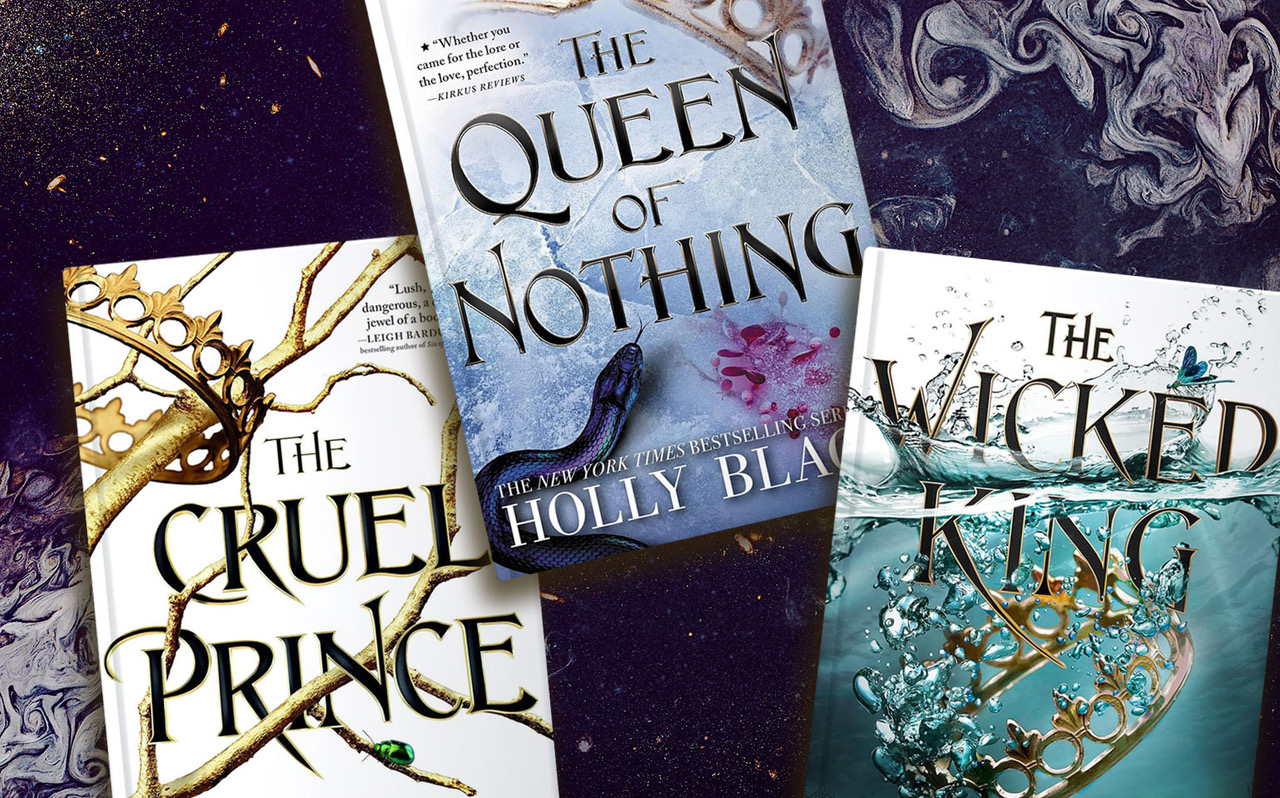
A Captivating, Mesmerizing, Jewel of a Book: Review of The Folk of the Air Trilogy
Alice Su takes a look at the plot, characters, themes and world creation in Holly Black's The Folk o
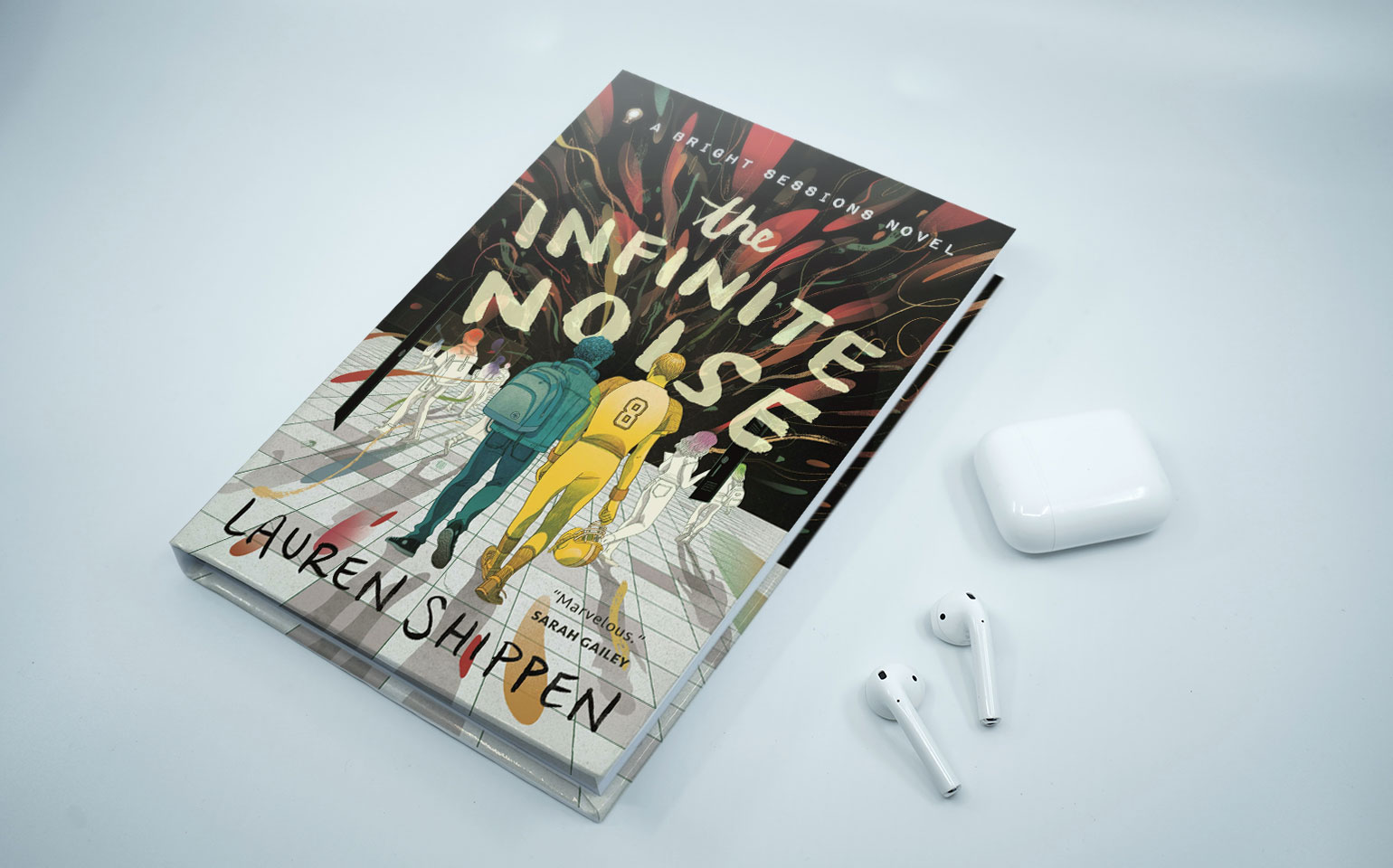
The Infinite Noise: How Fantasy Can Make Reality More Approachable
Parker Johnston takes a look at The Infinite Noise and how themes in works of fantasy can relate to