Hidden Hurdles: Shifting from Weakness to Strength in the Face of Chronic Illness
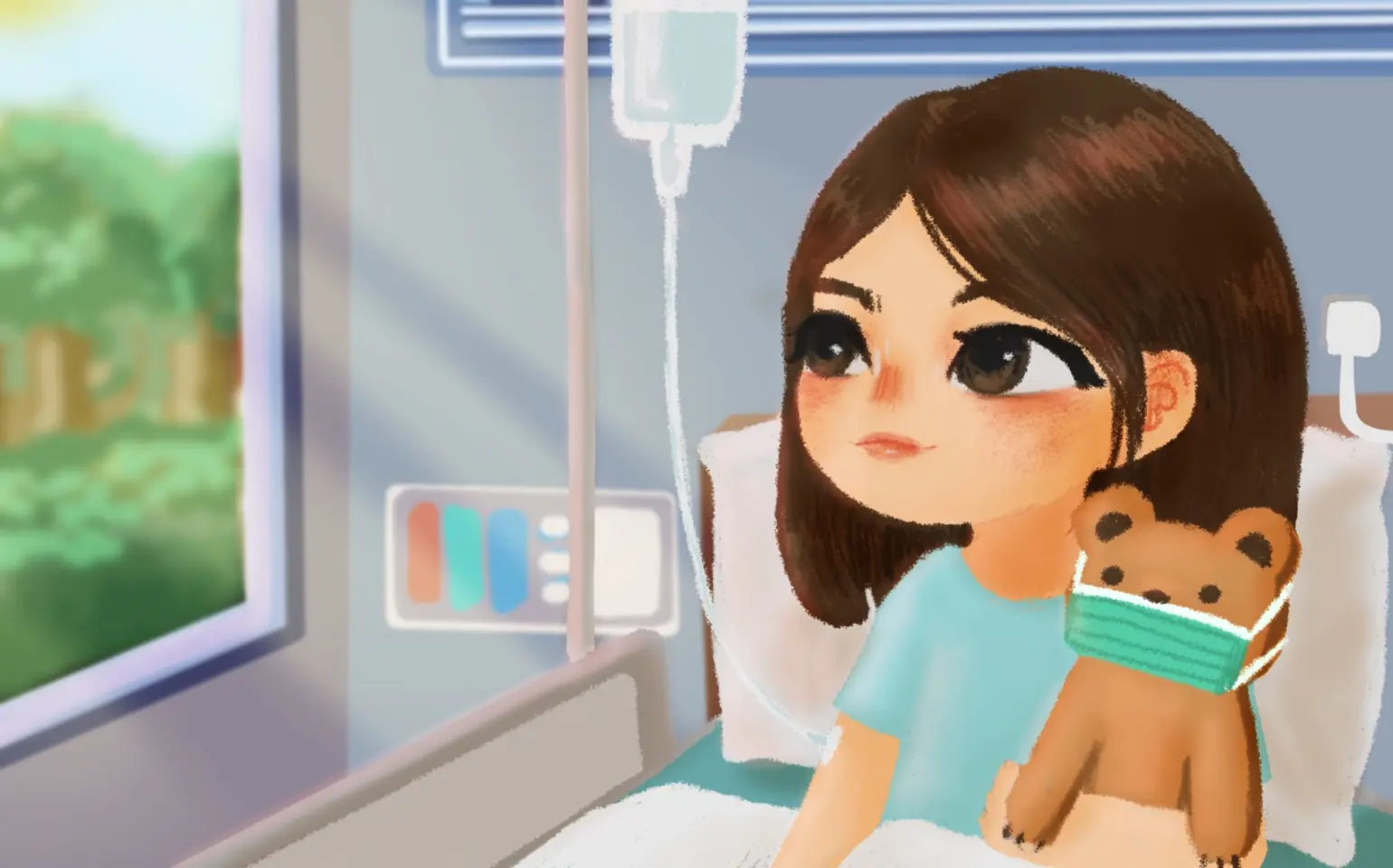
When we are kids, the future kind of looks like an open road. We’re told if we study hard, play fair, and take care of ourselves, then everything will go according to plan. I used to think that too. But life… it has this weird way of throwing detours at you and all of a sudden, you’re not headed where you thought. For me, that detour came with a chronic illness diagnosis. Overnight, my childhood stopped being about games, sleepovers, and school events. It became doctor appointments, medications, and those long waiting room stretches. Navigating a chronic illness as a young person really transformed my life and I ended up growing up faster than I ever planned.
The biggest hurdle with being a sick kid isn’t only physical discomfort. It’s also that heavy feeling of being cut off from your own life, like you’re watching it from the outside. While my friends were stressing about tests or deciding who to sit with at lunch, I was stressing about blood test results. In fact, this reality can feel pretty lonely and exhausting.
However, throughout my health journey I learned something that’s stuck with me to this day. You may not be able to control your diagnosis all the time, but you do have control over how you interpret it. A health challenge isn’t only the body’s fight, it’s also the mind’s fight, and your attitude counts more than people think. When you adjust your perspective, your illness stops acting like a sign of weakness and starts becoming a unique source of inner power.
The Reality Behind the Mask
When you look at someone with a chronic condition, you often cannot see what they are battling. A lot of the time people look completely fine on the outside. However, because my symptoms weren’t always visible, it was easy for people to assume I was doing fine. They probably thought, “She looks healthy, she must not be sick now!” Unfortunately, people often do not see the effort it took just to get out of bed, or the mental stamina required to keep acting like everything is normal, even when it isn’t.
Honestly, I’m not writing this as someone who handled my diagnosis perfectly from day one. There were moments when I felt a lot of self-pity, and I’d catch myself asking, “Why me?” It felt unfair, like my body was failing to do what it was supposed to do. And sometimes it was easy to perceive my condition as a weakness.
One particular moment I remember was during a school group project. I had missed the previous three days of class due to an endoscopy. When I came back and joined my group, I could sense their irritation. Someone muttered under their breath about having to do extra work, and it felt like they thought I was skipping class to avoid it. I was honestly shocked, and kind of hurt too, because I hadn’t been on some vacation, I’d been in a hospital bed. But at the same time, I felt hesitant, like I couldn’t just explain my medical history to them.
In those situations, it’s easier for people to judge what they don’t understand. For people like me, it can be easier to retreat into silence, instead of dealing with the awkwardness of explaining my health journey again and again.
But when I look back now, I realize something: going through the tougher procedures and still showing up to class wasn’t a weakness. It was proof of endurance.
Every time we hide what’s real out of fear, we lose a chance to shift the narrative, even a little. Facing a health challenge means you’re building a kind of grit, patience, and maturity that many do not have, and it can become a superpower, even if nobody sees it right away.
Managing the Weight of Everyday Life
Part of the reason this journey feels so overwhelming is because kids with illnesses are expected to juggle two full-time jobs: being a patient and being a student. School expects you to show upacademically and socially. And when a health issue gets added into all of that, your emotional capacity can get drained fast.
Besides the physical toll, a large part of the struggle comes from the digital world too. As young people, we end up consuming so much content online. We just keep scrolling past these polished lives of fitness influencers and peers who are doing incredible things. When you’re stuck at home, or in a hospital room, all of this can make you feel even more sidelined than before.
The hardest part is how simple it is for an illness to turn into your whole identity. It is easy to slip into self-pity, though it can quietly drain the emotional power you need to heal. Your diagnosis is only one chapter, not the entire book, and handling the mental obstacles connected to that illness is where real leadership begins.
Actionable Advice for Reclaiming Your Power
Getting through a health struggle doesn’t mean you magically get better. It really means you won’t let the condition become a limit for you. And yes, breaking free from that “weakness” mindset takes daily effort. If you’re someone dealing with a health battle right now, you can try a few shifts in how you think, and where you pull your strength from.
Own Your Story and Advocate for Yourself. Say it out loud when you’re feeling overwhelmed. It’s completely fine for it to feel kind of awkward at first, to tell a teacher, a coach, or even a friend that you need accommodation. For a long time, I hid my condition because I didn’t want to be treated differently. However, after returning to school from a hospital visit and feeling the tension of my peers who thought I was simply skipping class, I realized that staying silent wouldn’t help. I started getting into the habit of personally informing my teachers before any medical appointment to plan out my school assignments ahead of time. When you speak honestly, you’re showing self-awareness and taking initiative.
Let Joy Find You. Keep an eye out for the small things, like a good book, a silly video, or a message from someone who gets it. If you’re stuck feeling frustrated because your body has limitations, don’t just sit in that mood and let it grow. When I’ve been stuck in a hospital bed for a tough medical week, I had to learn to intentionally redirect my focus, whether that meant starting to read a new novel or watching a comedy video. Reframe a hard medical week as more than a stretch of hardship, try to see it as a chance to build resilience.
Be Gentle with Your Body. Try not to criticize yourself for what you can’t do now. Pause for a moment, breathe, and truly recognize how hard you are working just to get through each day. There have been days where my brain wanted to run again at full speed, to go straight into my schoolwork or finish a project, but my body simply could not. I used to view my body’s exhaustion as a failure. However, understand that your body is doing a lot to keep you healthy, so respect that grit instead of only staring at the things you feel like you are missing out on.
Practicing Hope
To the readers who are dealing with a medical condition, my message is simple: resilience is a decision, especially when it is not easy. Going through a long-term illness takes time and patience.
The more we choose to stand up for ourselves and lean into self-kindness, the more it becomes possible to get through the rough storm, without losing our grip.
Taking care of yourself does not mean you fix the illness overnight, or that you suddenly have every single answer. It’s more like you notice what you truly need, and you do your best to create a positive impact on your own well-being. And it also means recognizing the discipline, empathy, and bravery you use every single day to manage your situation as true strength.
When we shift how we look at these hurdles, school and life can become a bit more doable. Once you start seeing your health journey as a source of strength instead of a roadblock, it can create a massive difference in your journey. You are a warrior in your own chapter, and yes, you are stronger than you think.
Ayona Jaswal
Ayona Jaswal is a grade 10 student from Canada and the founder of The Kindness and Smile Zone, a youth-led initiative she started at just 14 years old. Passionate about spreading positivity and empowering young people through her personal health experiences, Ayona leads projects that create hospital activity packs, host educational webinars, and run community campaigns focused on compassion and youth leadership. Through her work, she aims to show that age does not limit impact and that young people have the power to create meaningful change in their communities. Outside of her organization, Ayona can be found gardening, reading a book, or learning a new language.
You may also like
Reflecting on My High School Experience: Anecdotes and Advice
One student's introspective look on high school, chock full of advice for incoming students and remi
Rethinking the Pros and Cons of Artificial Intelligence
As technology advances, people concentrate on the area of artificial intelligence. So what is artifi
The Importance of Overcoming Bullying
Firdaus Eldarymli offers three tips on overcoming bullying.