
The Hundred-Dollar Lie: How I Stopped Buying Self-Care and Started Living It
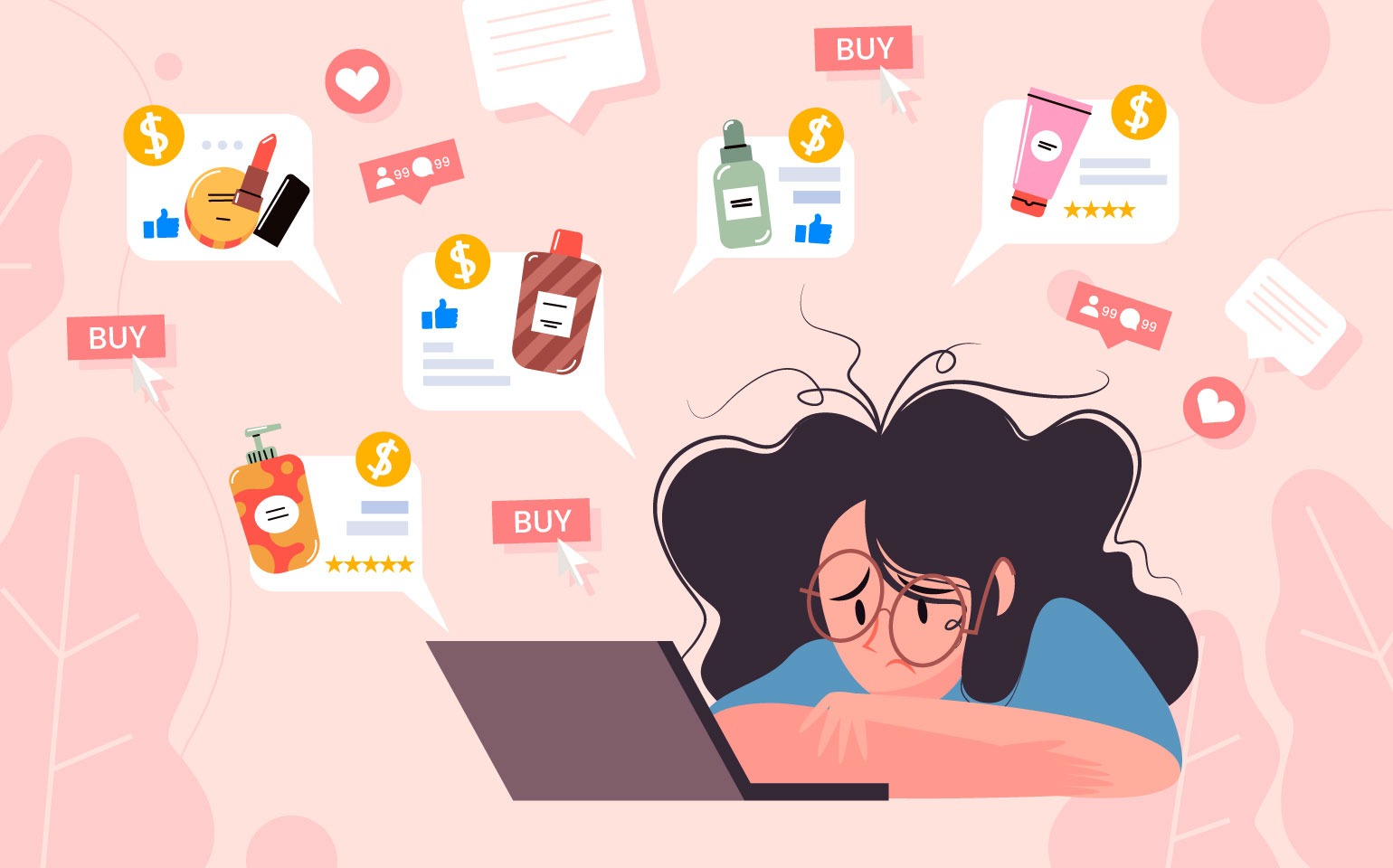
I used to think that self-care came packaged in a bottle, preferably one that smelled like citrus and warm vanilla on a sunny evening and cost more than my monthly allowance. When I was younger, self-care felt like performance. Every ad, every influencer, every shiny shelf in every store told me that the only path to a calmer and better life was through products. I felt like the only path to fix all my problems and worries was through products, and when I spent hundreds of dollars on expensive products and still didn’t have a happy life, I was devastated. For so long, I had been conditioned to think that having the latest serum or shower routine would magically fix my life. As a child, it all made sense to me. These influencers were beautiful, composed, and so put-together, and they all awarded it to a product, and so I did too. I saved up months of allowance money just so I could spend it all on serums and face masks, and when I didn’t have enough money, I used to beg my parents.
I was obsessing over being able to afford what I thought was perfection, because if my skin was clear and glowing, then my life would be perfect too. I fell victim to those overdone 10-step skincare routines, spending months of my life chasing the idea of the perfect one, only to find that it cannot be achieved by simply spending money on products.
I spent hundreds of dollars on buying these products, only to be devastated when they didn’t make me feel any better or get rid of the stress I felt.
The turning point came before my first semester exams last year. I was so stressed because I thought I had to get perfect scores on the exams. Every night, I sat on the floor of my room surrounded by half-used lotions, masks, scrubs, sprays, all promising calmness I could never seem to reach. I was upset every day, sobbing because none of the products I spent on were relieving my stress. In return, I brought more things that would help me, more things that influencers promised would change my life, but they never did. It got to a point where my sister had to sit me down and tell me that what I was doing wasn’t healthy. I was spending my life savings on things that wouldn’t even work for me. She told me to take a step back and look at the mess I was making of my own life. After listening to her advice, I decided to sit with her words for a few days and think about what I was doing. I realized that I was spiraling into chaos, and the thing that had me spiraling was the very thing that influencers were selling as happiness.
That’s when it all clicked, all those products, routines and aesthetics weren’t calming me, they were consuming me. I wasn’t allowing myself to do things I liked because they weren’t what influencers I followed promoted. I was forcing parts of myself into a box, because I thought that it would help me to be more like those influencers I idolized. From that moment on, I made myself step away from everything I thought self-care should look like.
I stopped searching for solutions on store shelves and started paying attention to what my mind was actually asking for.
It wasn’t a serum, a candle or a shopping cart full of items I convinced myself I needed. It was rest that I needed. It took weeks of trial-and-error, trying different relaxation methods to see what worked best, and I realized that taking a nap helped me to recharge more than self-care products could.
So, I let myself rest. I closed my laptop and napped. I went on quiet walks instead of scrolling through hauls and get-ready-with-me videos. I picked up a book I had abandoned months earlier because I thought it didn’t fit my aesthetic then. I let myself take breaks from studying without calling it being lazy. And for the first time in months, I felt something shift, not dramatically or magically, but gently. My brain wasn’t spinning as fast, and my chest didn’t feel so tight. I realized that self-care didn’t need to be expensive or fit an aesthetic. It didn’t need to be performative or pleasing to people who didn’t even know me.
I learned that self-care needed to be honest and personal. My sister’s version or perspective doesn’t look like mine. My friends each have their own routines, too. My friends journal every morning, or draw, or blast music at full volume. None of those practices is trendy, but it works for them. What works for me is slowing down, finding small comforts like reading, and letting myself step away when I’m overwhelmed. It isn’t glamorous or pretty, but it’s real to me.
Now, when I think about self-care, I think about things that support me instead of impressing or pleasing an audience. I think about calm breaths, clean sheets, a quiet moment during a chaotic day, laughing with my sister, drinking water before I get a headache or letting myself admit, out loud, when I’m tired and need to step back. These tiny habits have helped me far more than anything I ever bought. I still enjoy products sometimes, but I no longer treat them like they’re the answer to everything. They’re just items, not lifelines.
The real care comes from understanding what my mind needs and giving it room to breathe.
I used to think that self-care was something I had to earn through products. I thought the more products I bought, the more my self -worth would increase, and I would deserve to be happy. Now, I know it’s something I deserve, even when I’m stressed, imperfect, or overwhelmed. The biggest shift wasn’t in my routine, but rather in my mindset. I stopped waiting for a product to fix me and started learning how to take care of myself in ways that are simple, quiet, and free. At the end of the day, I realized that real self-care is the moment you stop trying to fix yourself and finally give yourself the space to live like a human, not a project or a TikTok video.

Akshita Nittala
Akshita Nittala is a high school student in Markham, Ontario. Her favorite subjects in school are math and science. In her free time, she enjoys reading, writing and binging shows. Some of her favorite series are Harry Potter, The Hunger Games and The Selection. When she grows up, Akshita wants to be a trauma surgeon.
You may also like
The Quiet Side of Confidence
Wania Faisal redefines self-confidence by sharing simple ways to build inner trust, resilience, and
Never Lose Your Happiness
Ally Yang investigates strategies we can use to never lose our sense of happiness, no matter what li
The Normalization of Stress in Youth
Saia Manchanda challenges the normalization of student burnout, questioning why exhaustion has becom