Rejection As a Writer: Publication Doesn’t Define You
The saguaro cactus is a marvel of natural engineering, brilliantly adapted to survive and thrive in the harshest desert climates. However, place that same cactus in a rain-drenched tropical rainforest, and its roots will rot from too much water. This duality doesn’t make it any less of a botanical wonder; it’s just that its biology is hardwired for a specific environment. As strange as it sounds, publishing works the same way.
Most young writers have experienced the sinking feeling when yet another publication rejects their work. I would argue that this hurts more than someone critiquing your writing, because there’s no context behind a simple “no.” Normally, there’s no feedback provided for why your work didn’t make the issue, so it’s easy to assume that your art simply isn’t good enough.
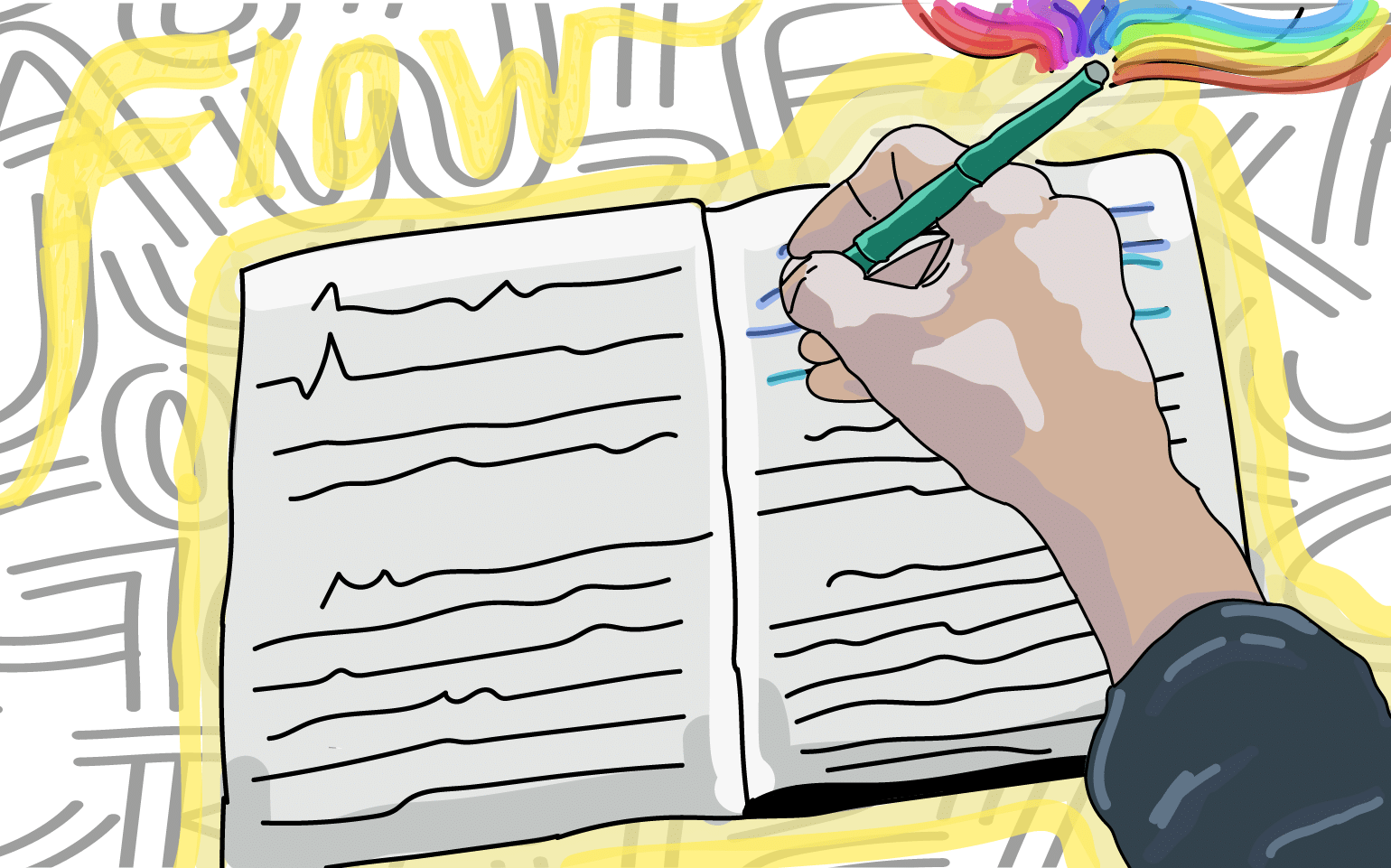
This is exactly what I thought during one of the lowest points in my literary journey. Over an 11-month period, I got rejected from various literary magazines and publications a grand total of 48 times. I kept a spreadsheet tracking each submission, each piece of writing I poured my heart into, only for it to be disregarded with a “we appreciate your effort, but maybe for the next issue!” in my inbox. I tracked my rejections in hopes of getting just one acceptance, so I could call myself a published writer. That acceptance never came, and I quit writing for over four months. I only started writing again when I was bored out of my mind during March break. I was sick of the academic writing I had to do in school, and my hands itched to create a new story. I channelled all my pent-up frustration into a messy brain dump, which became the first short story I’d written in months. I didn’t actually submit it anywhere, but writing without the pressure of an acceptance was a feeling I’d forgotten.
The lessons I learned in that unregulated era of creative liberty, devoid of word counts and guidelines, were pivotal in shaping my approach to writing. First, it’s important to remember there is no rubric for art or writing, whether it is poetry, essays, short stories, or novels. Art is subjective, and there is beauty to be found in every word and in every literary piece. Everyone has a distinct voice when they write. The vocabulary, sentence structure, and plot thickeners you gravitate towards are what make you a unique writer. It would be counterintuitive to let a material milestone like publication decide whether your voice deserves to be heard.
Moreover, most literary magazines and publications are themed, so they simply cannot accept submissions from everyone. That is the point of a publication: to have a space for that specific style or theme of writing. This does not mean your writing needs to match what the publication is looking for, but the other way around.
You must find resources that align with your writing voice. Mass applying to publications could wash the colour from your unique style and burn out the creative voice in your work.
Secondly, forget the notion that you are only a “real” writer if you’re published, or win an award for your work. This is the backbone of what I call the “writer’s hierarchy.” There is an invisible rating scale that a chunk of the literary world operates on, where credibility is determined by the number of publications you have, and the label of “author” is marketed as an exclusive club. However, this is a mere attempt at commercialising what should be one of the freest forms of expression. “Writer’s hierarchy” is a construct, and publication does not make you any better or worse than other writers.
A writer is anybody who can put words together to form a sentence, and then creatively arrange those sentences to tell a story. There is no difference between a writer with a million published words and one who writes flash fiction in their journal. While exposure can be pivotal to all forms of art, your work doesn’t need a publication label on it for it to be worthy of attention.
Writer visibility is important, but you shouldn’t feel the need to chase after a contribution list to feel validated.
What matters the most is developing your personal voice. Instead of mass writing literary pieces in hopes of publications or awards, focus on one project at a time to form your unique literary voice and rely on local means for feedback. This could be family, friends, personal blogs, and even other writers. Having a diverse community of readers holds way more value than a rejection email with no feedback. Continue submitting your work if you want it to be seen, but don’t use that to determine whether you are a “real” writer or not.
If you do decide to submit, make sure you are sending your work to places that match your piece, not the other way around. Write first, then look for publications with related themes if you want others to see it. That is all publishing can truly offer you as an artist: visibility. You may receive feedback and mentorship along the process, but the core to being a “good” writer is to write without boundaries.
So, I urge all writers to stop perusing Instagram for more submission calls. Instead, open up a fresh document or notebook and begin writing. Do it for all of the ideas you didn’t think were good enough. Just like rotting in a rainforest doesn’t make a cactus any less of a desert marvel, not being published doesn’t make you any less of a writer.
Bavitha Akula
Bavitha is a 16-year-old writer from Toronto, Ontario. She has been recognized by the Scholastic Art & Writing Awards for her work and focuses on short stories, critical essays, and creative fiction. When she isn’t whipping up new plotlines for her stories, she is working on her sewing machine or pursuing her next cooking endeavour (most of which end up as failures). She has an unhealthy obsession with mangoes and recently began practicing calligraphy. She hopes to bridge the gap between the humanities and sciences through writing and storytelling.
You may also like
Dealing with Exam Stress
Mythili Paaladinesh explores the causes of exam stress and shares five strategies that helped them d

Lights, Camera, Action: How I Made My Own Music Video
Tamara Karmazina gives us a behind-the-scenes look at how she created and produced her very own musi

The Importance of Habits and How I Changed Them
Jacob Tian talks about how important it is to both change bad habits and find ways to create good ha