
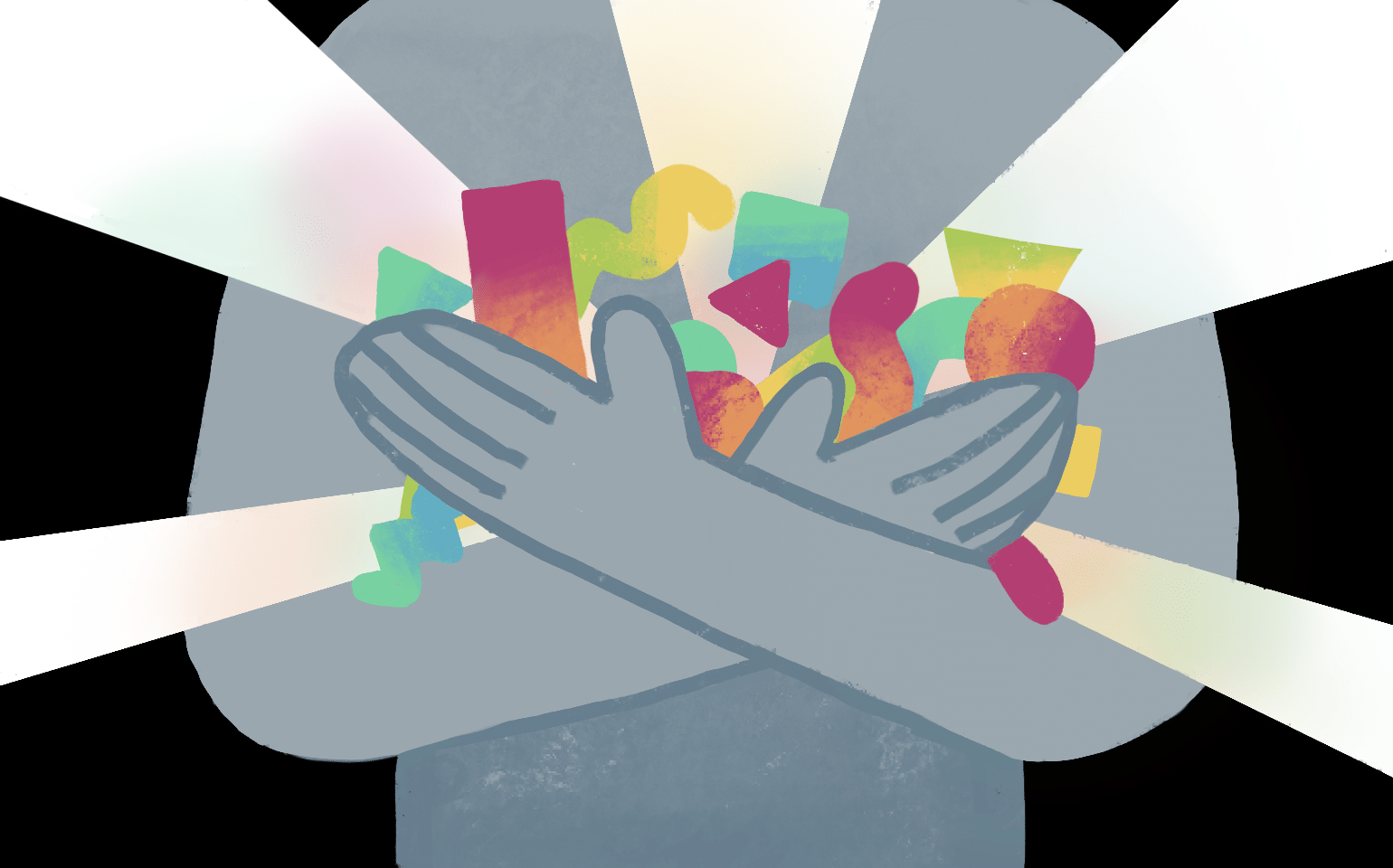
When Humility Becomes Toxic
One day in class, I was watching my friend, let’s call her Amy, fill out a nomination sheet for our school’s end-of-year awards. One of these awards recognized a student with strong abilities in teamwork, leadership and kindness, while the other celebrated a student with academic dedication and a love for learning. Throughout the school year, Amy had been extremely engaged in her schoolwork, taking notes in class, completing homework on time, and giving her all on each assignment. To me, no one was more deserving of the award than her; her effort and determination were inspiring, so when the time came, I encouraged her to nominate herself. She was hesitant and questioned the morality and rules surrounding it. However, she wrote her name on the form and handed it to our teacher. After quickly reading it, the teacher told Amy that she was not allowed to nominate herself for the award and that the purpose of nominations was for classmates to recognize and celebrate each other, not themselves. Now, I can understand my teacher’s argument, but it left me pondering the situation and its many implications.
First of all, what does it mean to be humble? According to the Merriam-Webster dictionary, being a humble person is “not proud or haughty” and “not arrogant or assertive.” Nowhere does it prohibit confidence or knowledge of one’s ability.
From my teacher’s point of view, nominating classmates rather than yourself was a way for students to practice appreciation, gratitude and kindness towards others. Just as I noticed Amy’s dedication to academic excellence, other classmates would recognize and celebrate their peers’ efforts and achievements as well. However, this creates a question: if you are the most qualified for the award, should you recognize that by nominating yourself? Or should you nominate someone else for the sake of “humility?” Through writing this blog post, I hope to find an answer to this question.
The thing is that humility itself is not toxic; society’s definition of it is. Throughout our lives, we have been told not to be arrogant, egotistical, or narcissistic. However, the negative connotations surrounding these words have bled into other concepts, like confidence, self-appreciation and assertiveness. We have misinterpreted humility and been forced to shrink ourselves, hide achievements, and refuse to share self-progress lest we be labelled as “bragging”. My friend Amy was clearly academically capable, dedicated and responsible, but she showcased these qualities for the sake of others. Most people seem to default to putting others above themselves, even when they are clearly equally, or more, qualified and capable.
By recognizing and celebrating our achievements, we are also celebrating our effort, progress and determination that got us there. Inversely, a lack of self-validation can negatively impact the self-esteem, confidence and even identity of an individual.
Confidence and humility are not opposing concepts, although more often than not they are viewed as such. Many people view confidence as loud, expressive and something that takes up space. Meanwhile, humility is seen as quiet, unnoticeable, and small. I believe that to be a successful student, friend, and person in general, you should try to embody both in your life. In my experience, humility itself can be a form of quiet confidence. Being humble means having the confidence that your efforts, progress and achievements will speak for themselves without the help of boastful words or impressive stories. That’s not to say that you cannot do anything else to set yourself up for success. By nominating herself for the award, Amy would have been making an effort to get herself recognized for her hard work during the school year.
After reading all this, you may be wondering: how do you know that you are actually qualified for something, and that you aren’t viewing yourself through a biased lens? There’s no clear answer to this question, but I believe that no one can view anything completely objectively. After all, as Amy’s friend, I believed that she deserved the award, but as her friend, I may be unable to view the situation objectively either. We each have unique experiences, relationships, values, and prejudices that will impact our beliefs. At the end of the day, we have to learn from our mistakes and trust ourselves to make the right decisions.
So, is it better to own up to your achievements or omit them for the sake of humility? Well, it’s actually a trick question! The question implies that humility and confidence in your abilities cannot coexist, which is simply not true. Sure, if Amy had nominated herself for the award when she had been flunking her classes the entire semester, or if she had bragged about her achievements to all her classmates, then no, she would absolutely not have been humble.
However, by appreciating yourself respectfully and mindfully, we can maintain our confidence, self-esteem and identity all while still being a kind, mature and down-to-earth person.
Humility, self-appreciation, and mindfulness are difficult concepts to grasp and put into practice. But by reading this blog post, I hope that you have started to become more comfortable with owning up to your achievements and abilities. So next time there is a role, position or award that you truly believe you are qualified for, go for it!

Amanda Xu
Amanda is a first-generation Chinese Canadian immigrant and a current grade 9 student based in New Brunswick. When not studying, she can be found reading, drawing, and hanging out with friends. Amanda is still unsure about what the future has in store for her, but she hopes that through her writing, she can not only find her own identity but also support and uplift others in the process.
You may also like

The Turmoil of Tense Parental Relationships
Learn how to handle the stress of parents fighting with healthy coping tools, trusted support, and r

Through Wavering Eyes: My Personal Journey with Nystagmus
Nathaniel Gelardino takes us through his personal journey of living with nystagmus, a neurological d

Struggling with Self-Worth, Comparisons, and Finding Ways to Cope
Aditi Saha takes a look at the struggles many people face with self-worth and comparisons, and talks