
A Tale as Old as Time: The Quiet Death of Ambition
Complaining about the younger generation’s laziness has always been one of the older generation’s favourite pastimes, with recorded complaints about unruly youth stretching as far back as Ancient Greece. However, this time, the older generations might actually be right. Cognitive neuroscientist Dr. Jared Cooney Horvath stated that the latest generation, Gen Alpha, is the first in modern history to score lower on standardized academic testing than their parents. Dr. Horvath presented these findings and attributed the low scores to a mix of overreliance on the internet, AI, and heavy screen time, which he argues causes a decline in memory, literacy, and focus.
I see this overreliance and “declining memory” firsthand in my classrooms and community. Without sustained attention, ambitious goals become harder to achieve, as success often relies on determination and long periods of concentration. While older generations might have exaggerated the apparent “laziness” of young people, the overuse of technology remains a serious concern.
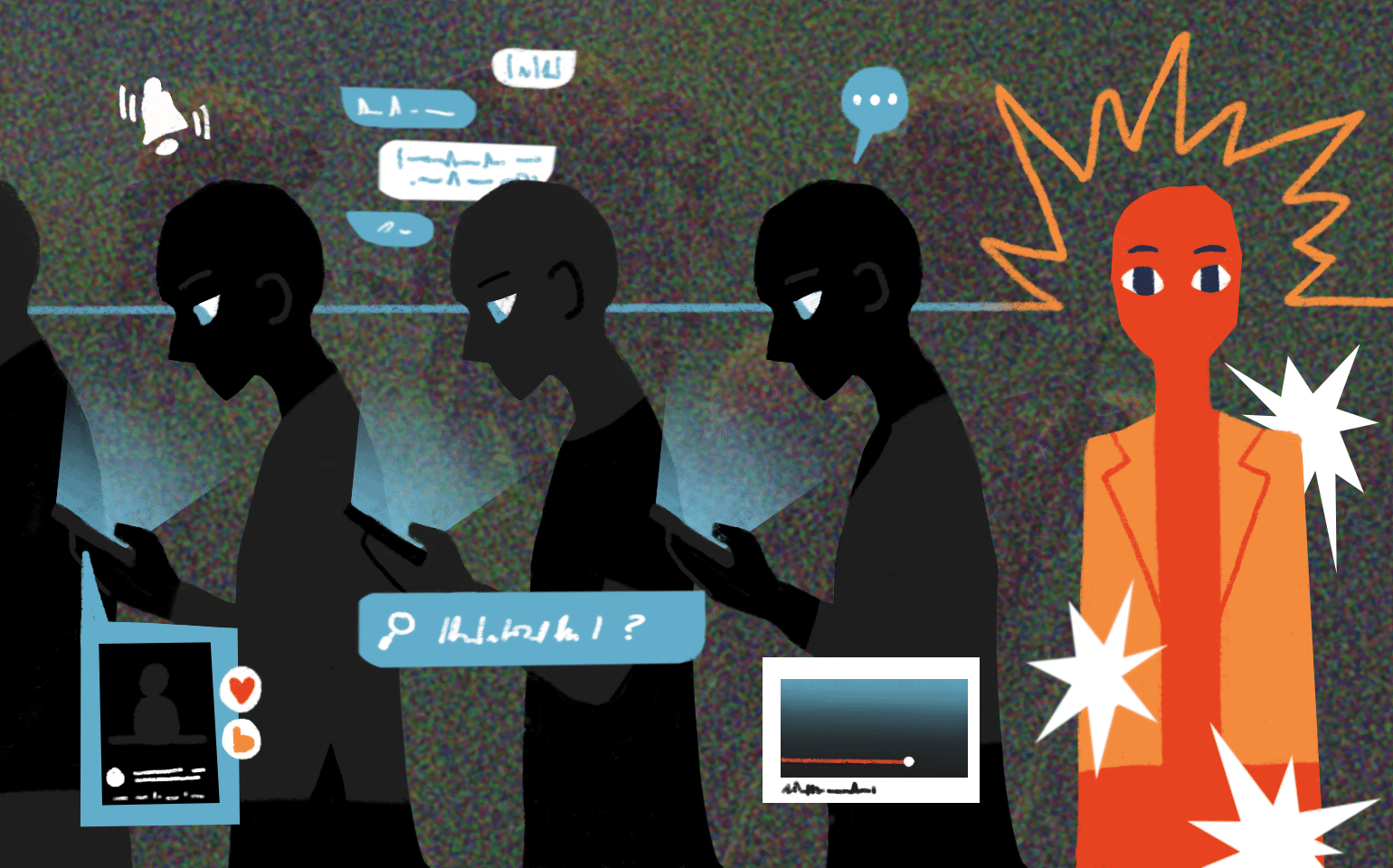
We have all the resources designed to accelerate and promote our learning process, yet we get swept away by endless distractions. We are more connected than ever, but why has it become so hard to focus? You sit down to do homework, but 5 minutes later, you just need to “check” your phone. Then it becomes Snapchat, Instagram, YouTube… and suddenly it’s time to go to sleep. During the exam period, the cafeteria was half-empty, and outside students were desperately watching review videos at 2x speed. Most of the class wanted to start studying weeks ago, but they somehow never got around to it. I could feel the tension rising like the beating of a thousand silent drums. While this study technique was intended for quick memorization, the only thing it helped with was increasing your anxiety.
I wanted to start preparing for my exams a month in advance. My goal was to achieve a perfect grade. However, whenever I sat down to study, a notification would drag me away, and I would spend my time texting my friends instead. Each study session, I set a dedicated time block and had my study materials beside me, but time just seemed to escape me and I ended up feeling lost the day before the exam.
I had to cram information and sacrifice sleep to get a good mark when I could have felt ready weeks before. Like many, I made the mistake of choosing instant entertainment over my long-term goals.
But is it really our fault? Schools expect and encourage us to use technology, many teachers allow AI for brainstorming, and phones are purposefully designed to compete for our attention. Among my peers, it is exceedingly common to hear “just Google it” whenever someone has a question. Recent studies have shown that the option to Google an answer is reducing our ability to remember information, knowing that we can easily obtain it again. Instead of retaining information, we are remembering where to find it.
Additionally, young people are frequently outsourcing their thought process by using AI to generate ideas. This limits their capacity for creative and individual thought, which is one of the key things separating humans from large language models. However, I do not want to claim AI is bad and that we should avoid its use at all costs. The problem does not lie within the model itself, but rather the continuous outsourcing of difficult thinking that makes us less willing to approach challenges.
Achieving goals and ambitions requires focus, and in a digital world focus is becoming harder to maintain. Ambition rarely disappears in a moment; it looks like hundreds of small losses you start accepting. Everyone always wants to get to their end goal, but no one enjoys going through the early stages of success.
Ambition requires discomfort, and it’s not that young people aren’t capable, they are just surrounded by distractions that are making focus seem like a lost cause.
I see this in my own life, and in that of those around me. This can look like checking your phone while studying, or my friends refusing to enter a competition because it sounds difficult. Everyone wants immediate success, which often leads to none at all.
While many of these conditions are out of our control, this does not mean we should abandon our autonomy and sacrifice our ambitions. To do so would be to completely abandon your sense of self! The good news? Habits can be changed, screen time can be limited, and your ambition can come back! The first step is not swearing off AI (it can be a powerful tool if used in moderation) or deleting all your social media. It’s simply asking yourself whether you are using technology—or it is using you?

Alyssa Saidova
Alyssa is a grade 8 student in the Middle Years International Baccalaureate Program with a passion for philosophy, psychology, and the stories people carry with them. She judges books by their covers, reads the endings first, and has strong opinions about both. When she's not lost in a book or taking forever to perfect her outfit, she's journaling, asking questions nobody asked her to ask, and figuring out how the world works, one fresh start at a time.
You may also like

My Sword and Shield Against Stress: How Music and Sports Changed my Life as a Student
The holidays are great, but they can also be full of stress for students. Find out how music and

My Experience Changing Schools and Some Helpful Tips
Alice Su talks about her experience changing schools and tips for making the transition less dauntin

How COVID-19 Has Impacted My Life
An introspective look into how COVID-19 has impacted those of the Chinese and Asian communities, as