
Quality over Quantity: The Real Story of Underconsumerism
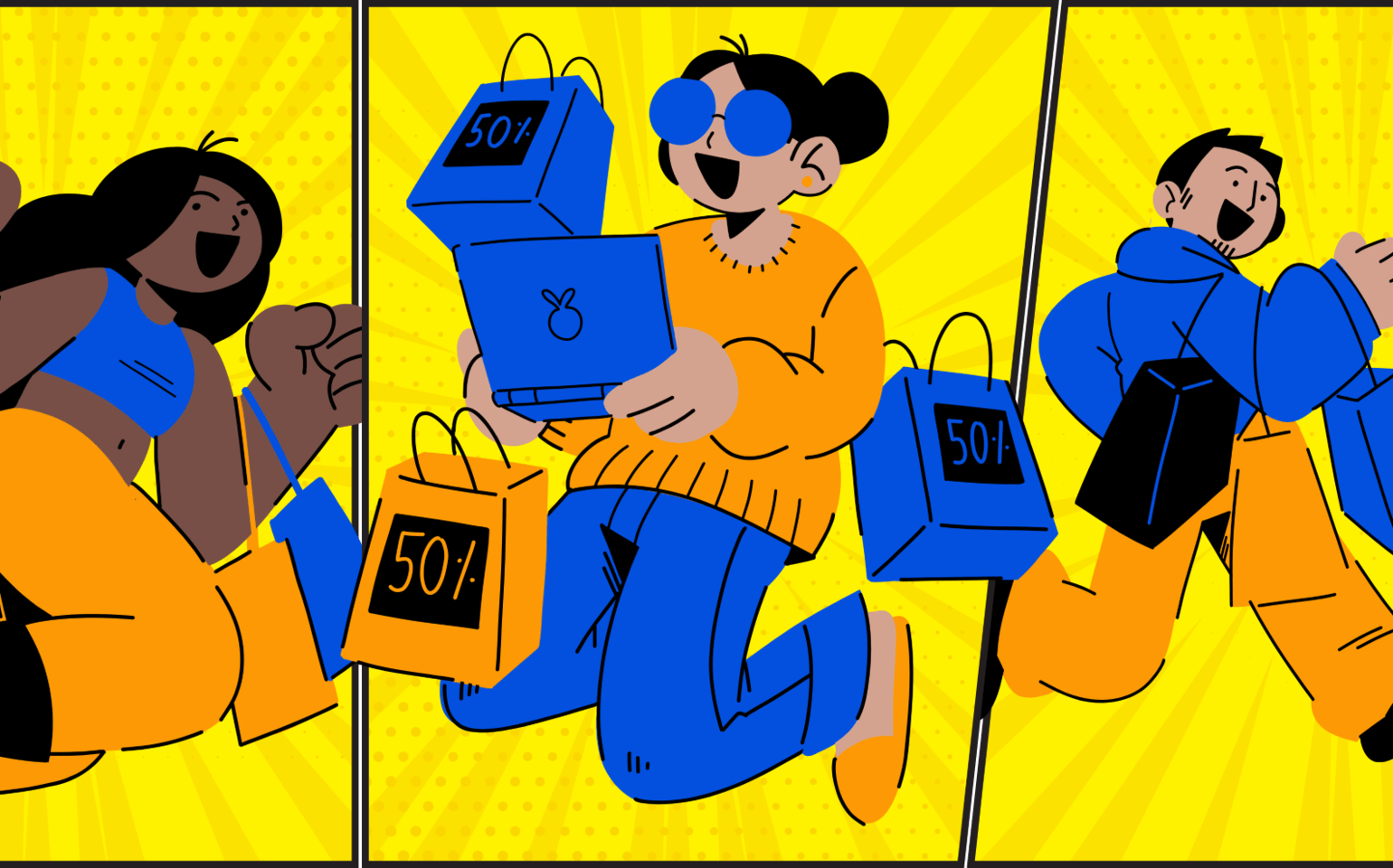
Underconsumerism isn’t about buying for less, it’s about outsmarting the brands that want you to keep coming back. It’s a growing movement, popularized by Gen Z, that focuses on living minimally and sustainably as a rebellion against the “haul culture” of displaying excessive purchases and the industry of fast fashion which relies on fast, low quality production. Thousands of people are joining, but many have raised concerns regarding some of the misconceptions surrounding it. Most people think that underconsumption means buying cheap, but it’s actually about investing in long-term, quality items. Instead of buying the newest trend, choose something timeless that you would be comfortable using again in two years. Rather than frugality, it is about intentionality and choosing which items to bring into your life. Another often criticized aspect is that many people don’t have a choice to be an “underconsumer.” For them, reusing items, repairing clothing and limiting purchases isn’t just a trend, it’s their everyday life.
Many people online are just “living” this concept performatively, for social media validation. While it is still a growing movement, many people are living the reverse of its philosophy, large-scale overconsumption.
In my school hallways, overconsumption culture is growing faster than ever. Most of my class has the latest iPhone, even though the older version works just fine, and almost everyone owns a Stanley or Owala water bottle. In classrooms across the world, it’s become a rite of passage to be a part of the newest trend and show off your social status. This pressure doesn’t come from just your friends and classmates. Online, we see massive haul videos of countless people buying hundreds of the same trending items. There’s a reason social media influencers are called influencers: their content is designed to push trends and encourage people to “jump on the bandwagon.”
Have you ever noticed how you might not have liked something before, but once it starts trending, you suddenly feel like you need to have it? That’s the algorithm using dopamine to change the neural pathways of your brain. Before NeeDoh started trending, you might have seen them in stores and walked right past. But now, people wait in hour-long lines just to get one. Numerous different brands across the world are all promoting this culture of “buying more.” After all, it benefits the business.
Almost every company’s dream is to create a viral, trending product that everyone rushes stores to buy. It generates market revenue, drives sales, and gives the brand more presence. There are entire management teams and algorithm experts trained to influence your mind into buying the product. Hundreds of people behind corporate desks all working towards the same goal, to build the perfect items and create an attraction for people to buy. So, by following the trends, you aren’t unoriginal or simple-minded, you’re just unaware. Now, at one point or another, most of us have fallen prey to underconsumption’s evil twin and I’m no exception. Like many teens, I was insistent that I needed the latest version of everything. I needed the newest trending item that I had called “weird” in the store two weeks prior, and I would even pay triple a normal shirt’s price because of the brand name on it. But just as I was reaching full integration into the exciting world of overconsumption, I found a relic of one of last year’s trends under my bed. Picking it up, I realized I didn’t even like it. I looked down at it and realized that I had only used it for at most two weeks before forgetting about it entirely. It wasn’t a nice colour or particularly useful. What was the point of collecting all this clutter?
Other than a dopamine rush, there was no point in purchasing any of these trending items. A few weeks ago when I was shopping with my mother, I would pick up every item that “looked nice” or caught my attention. But when I got home, I realized that some of the items didn’t fit and others were impossible to pair with anything I already owned. For the first time, I recognized the feeling of “buyer’s remorse” and finally realized that something had to change. I looked at my room and mentally checked through all my trendy items, asking myself what I would actually use two years from now. Once I saw the influence media and trends had on me, I found my own style and learned to prevent myself from making impulse purchases.
As soon as I shifted my mindset, I stepped away from overconsumption and naturally embraced its opposite. I started intentionally choosing timeless quality pieces that I would allow to enter my space and use for years to come. Not only did this save me possibly hundreds of dollars in the long run, but it also protected my space from collecting meaningless clutter.
Underconsumption has become the antidote to the dopamine-fueled, novelty-seeking culture that has overtaken much of today’s society. However, the irony isn’t lost; the trend of underconsumption was created to stop and minimize other trends. But in the end, more people supporting and living this concept of mindful minimalism also protects our planet’s future. But in the end, even if underconsumption fades as a trend, its core message of buying intentionally and resisting the urge to “upgrade” shouldn’t.

Alyssa Saidova
Alyssa is a grade 8 student in the Middle Years International Baccalaureate Program with a passion for philosophy, psychology, and the stories people carry with them. She judges books by their covers, reads the endings first, and has strong opinions about both. When she's not lost in a book or taking forever to perfect her outfit, she's journaling, asking questions nobody asked her to ask, and figuring out how the world works, one fresh start at a time.
You may also like

A Helping Hand: The Key to Better Writing
Joyce Xia Hong offers tips on how to improve your writing, including getting a friend to read over y

Studio Ghibli’s Quiet Heroines: Why Studio Ghibli’s Female Characters Feel So Real
Victoria Petersen takes an in-depth look at Studio Ghibli's female characters, and why they feel so

Losing like a Champion
Mac Clark takes us on a journey through the world of motorsports and how losing can be used as tool