
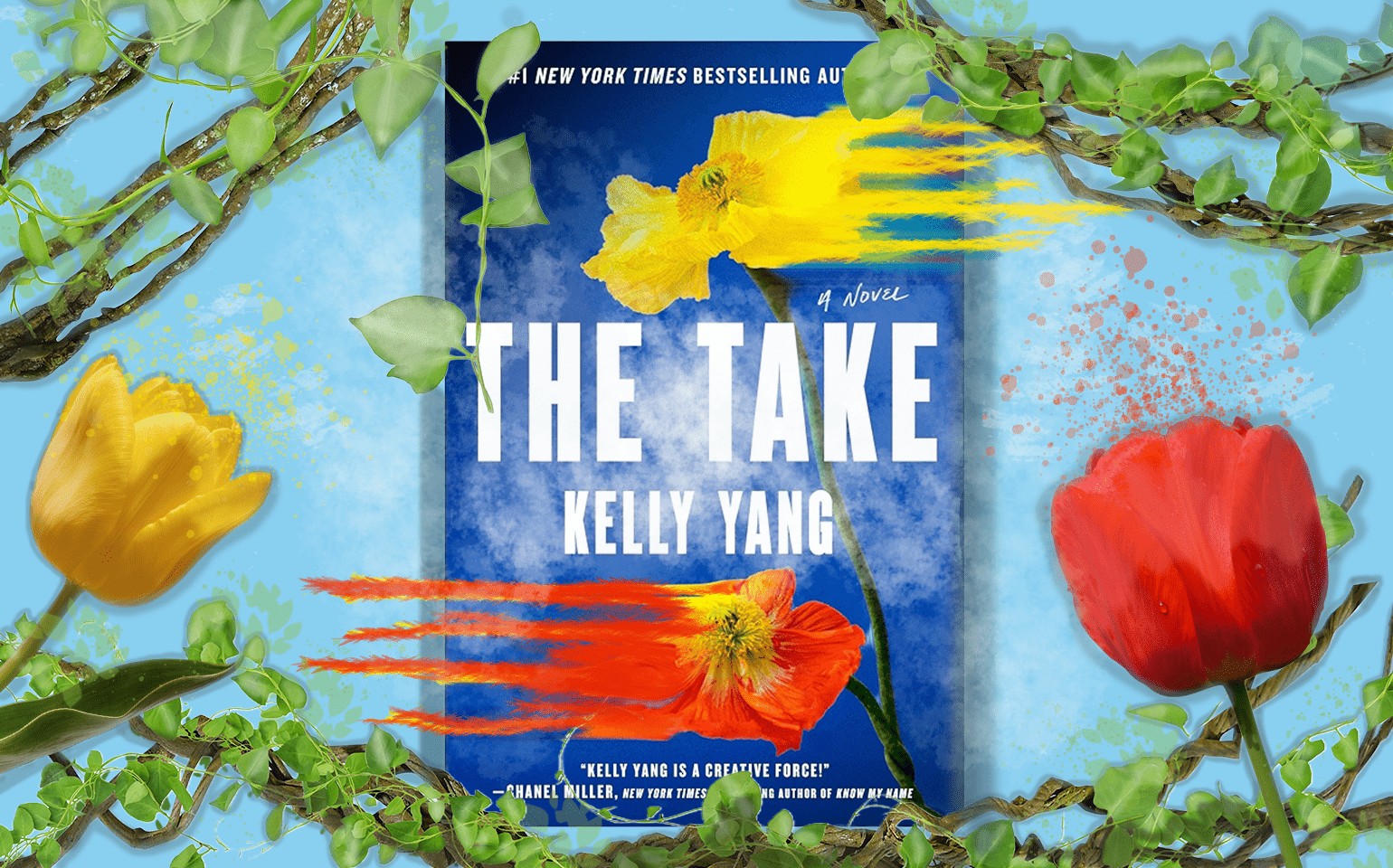
$3 Million for Youth: What The Take Taught Me About Power, Survival, and Selling Pieces of Yourself
I picked up The Take by Kelly Yang thinking it would be a drama about Hollywood. What I didn’t expect was how uncomfortable it would make me feel—in a good way. It forced me to confront a question that sounds simple but isn’t: what would I trade to get ahead in life?
The premise of the novel is extreme, but just realistic enough to feel possible. Maggie Wang is a struggling writer trying to break into the publishing industry. Ingrid Parker is a powerful but fading producer trying to stay relevant. The deal: $3 million in exchange for experimental treatments that reverse Ingrid’s aging. On paper, it looks like it’s mutually beneficial. Maggie isn’t just choosing money. She’s choosing access, which is everything in her line of work. Talent matters, but only if someone opens the door for you. In reality, it’s anything but equal.
Maggie believes she’s in control at first, but over time Ingrid’s influence grows beyond anything written in their contract. Advice becomes direction. Mentorship becomes control. Ingrid isn’t a simple villain. She genuinely believes she’s helping Maggie. But at the same time, she’s shaping her, depending on her, and slowly taking control of her life. The line between support and manipulation becomes almost impossible to see.
That’s when it clicked for me: power doesn’t always look aggressive, it often looks helpful. What hit me hardest is how the deal kept changing. Not officially, but in practice. That’s how power works in real life too. The terms are rarely fixed. They evolve depending on who holds leverage.
At the beginning, Ingrid has everything: money, status, connections. But as the story progresses, the balance shifts. Maggie learns from her and adapts. She starts to understand Ingrid and not just as a mentor, but as a person with weaknesses. Suddenly, the power dynamic isn’t so one-sided anymore.
That realization stuck with me: power shifts. Even if you start with nothing, that doesn’t mean you will stay there. But gaining power often means stepping into the same system that created the imbalance in the first place.
The book destroys the idea that success is simple. Maggie’s journey is full of compromise, discomfort, and doubt. Even when things improve, it never feels like a clear win. In reality, people don’t just “make it” through hard work alone. They have to make difficult choices and those choices often cost something. That feels more honest than most success stories I’ve heard.
I appreciated that the novel doesn’t judge Maggie for taking the deal. If your family needs stability, $3 million isn’t just money, it’s survival. But the cost isn’t just physical. It’s psychological. It changes how you see yourself.
The story kept coming back to these ideas: what are you willing to sacrifice to succeed? Would you let someone shape your identity if it meant getting ahead? Would you stay silent if speaking up risked everything? Would you trade control over your own life for an opportunity? I thought I had clear answers, until I read The Take.
Access is powerful, but it always comes with strings. That doesn’t mean you need to reject every good opportunity. It means you should understand what you’re agreeing to. If something feels like a shortcut, ask yourself what do they gain? What kind of control will they have over me? Who do I become if I say yes?
I’m 17, and I already think about my future in a practical way. Not “follow your dreams,” but “how do I survive in systems that weren’t built for people like me?” Having ASD means I notice patterns quickly, especially in terms of power and access. I notice who gets opportunities, who gets ignored, and why. This book felt less like fiction and more like a case study of how real systems operate
I finished the book feeling a bit unsettled, but also sharper. I feel a little more prepared for the kind of decisions that might come up in real life. The book also made me more realistic. Not all systems are always fair, and sometimes you have to work within them to move forward.
The Take isn’t just about two women in Hollywood. It’s about ambition, survival, and the cost of being seen in a world that decides who matters. The novel doesn’t give readers any easy answers, which is exactly why it works. Because the question isn’t just “would you sell your youth for $3 million?” it’s “what parts of yourself are you willing to put on the table?”

Ethan Wu
Ethan Wu is a grade 12 student from Toronto who writes about systems, power, and real-world inequality. He focuses on how structures shape opportunity—who gets access, who gets left out, and why. His work connects stories to real-life decisions, especially around fairness and survival.
You may also like

Living for YOU: How to Defy the Odds
Nikiita Kumar offers tips on how to stop comparing yourself to others and focus on living your truth

The Importance of Not Giving into Peer Pressure
Gurnoor Dhanda provides three tips on how to avoid giving in to peer pressure, including trusting yo
Lessons Learned from Le Petit Prince
Check out Angela Luo's thoughts on Antoine de Saint-Exupéry’s novella Le Petit Prince, including